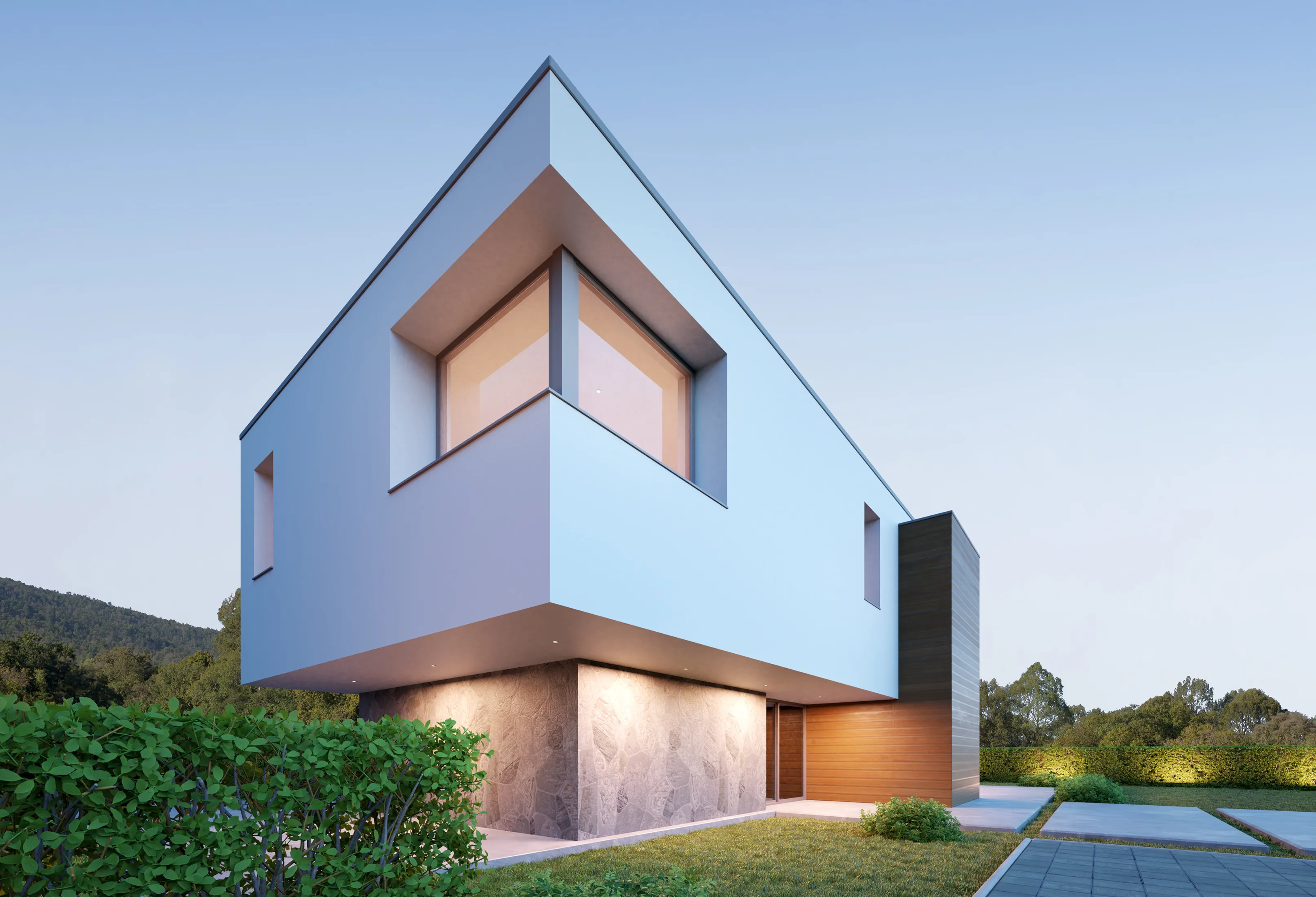
THE ROLE OF LIGHT IN ARCHITECTURAL EXPERIENCE
6 min read
Light is one of the most powerful elements in architecture. It shapes atmosphere, influences emotion, and defines how people experience a space. From natural daylight to carefully designed artificial lighting, architects use illumination to enhance both function and beauty. This guide explores how light transforms architectural environments.
1. NATURAL LIGHT AS A DESIGN ELEMENT
Daylight creates warmth, openness, and a stronger connection between interior and exterior spaces.
Key Points:
• Position windows for maximum daylight
• Reduce dependency on artificial lighting
• Create dynamic shadows and depth
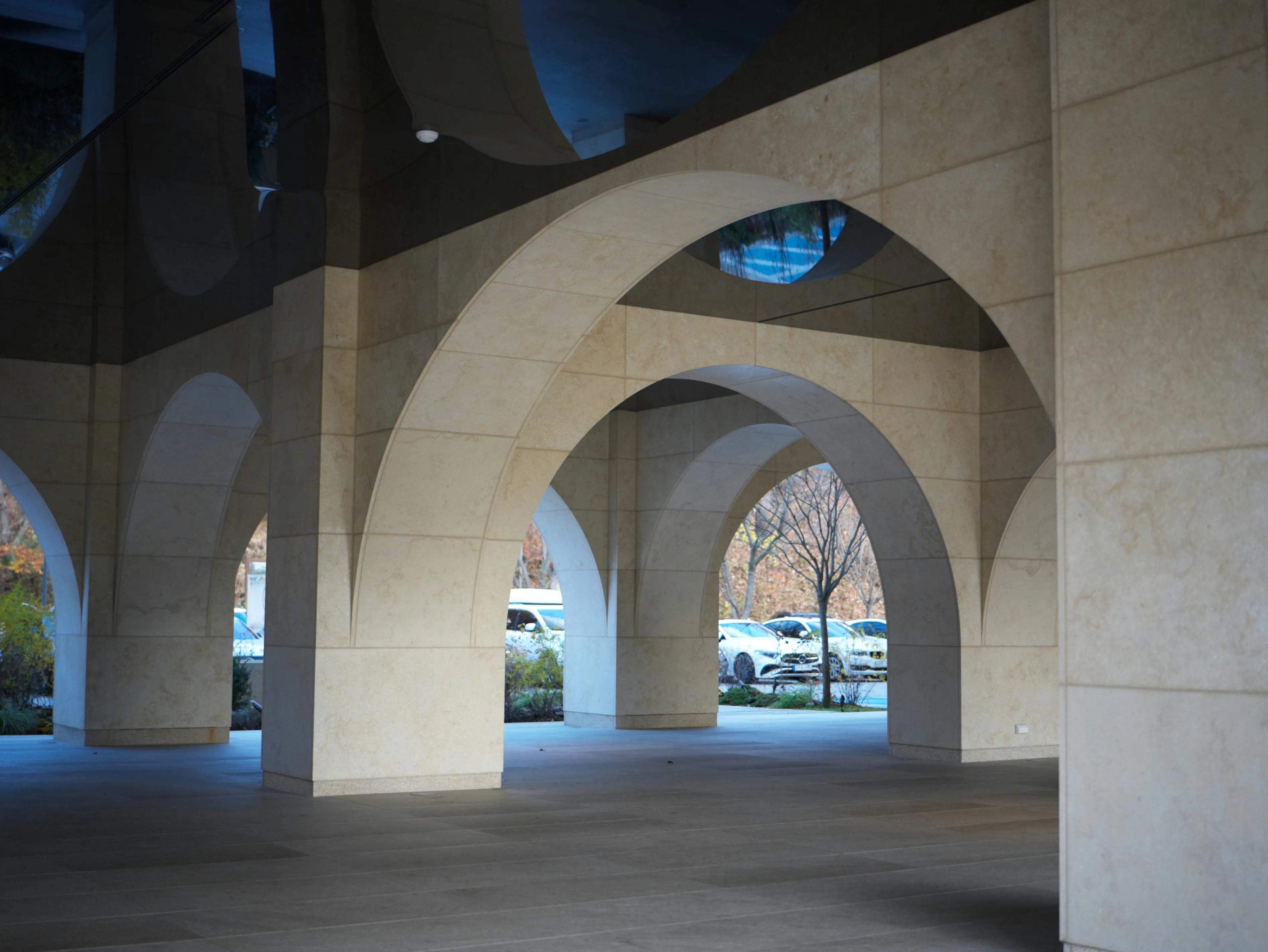
2. LIGHTING & HUMAN EMOTION
Different lighting conditions directly influence mood, comfort, and productivity.
Key Points:
• Warm lighting creates relaxation
• Bright lighting improves focus
• Balanced lighting enhances comfort
3. HIGHLIGHTING ARCHITECTURAL DETAILS
Lighting can emphasize textures, materials, and structural forms within a project.
Key Points:
• Use accent lighting thoughtfully
• Highlight unique material finishes
• Enhance spatial depth visually
4. ENERGY EFFICIENCY THROUGH LIGHTING
Efficient lighting systems contribute to sustainability and operational savings.
Why It Matters:
• Reduces energy consumption
• Improves long-term efficiency
• Supports environmentally conscious design
5. CREATING MEMORABLE SPACES
Exceptional lighting design leaves a lasting impression on how spaces are experienced.
Look For:
• Balanced natural and artificial light
• Functional illumination strategies
• Atmosphere-driven lighting concepts
Share this article: