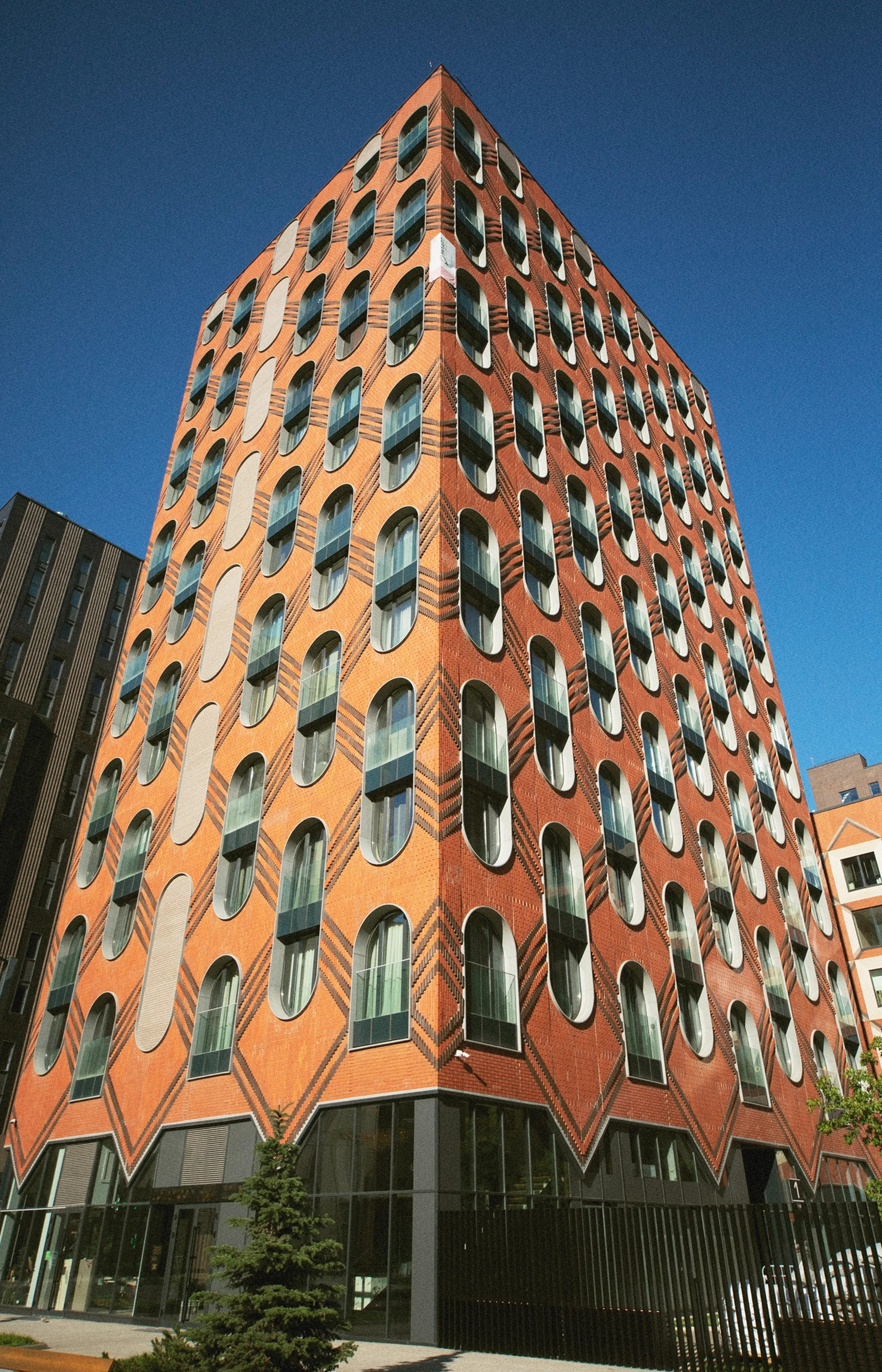
DESIGNING HOMES FOR CHANGING LIFESTYLES
6 min read
Homes today are expected to support more than just living. They now function as workplaces, relaxation zones, and social environments all at once. As lifestyles continue to evolve, architecture must respond with spaces that are adaptable, comfortable, and future-ready. This article explores the importance of designing homes that evolve with modern living.
1. MULTIFUNCTIONAL LIVING SPACES
Modern homes benefit from layouts that support various activities throughout the day.
Key Points:
• Combine work and living areas efficiently
• Design flexible room functions
• Maximize usable space intelligently
2. PRIORITIZING COMFORT & WELLNESS
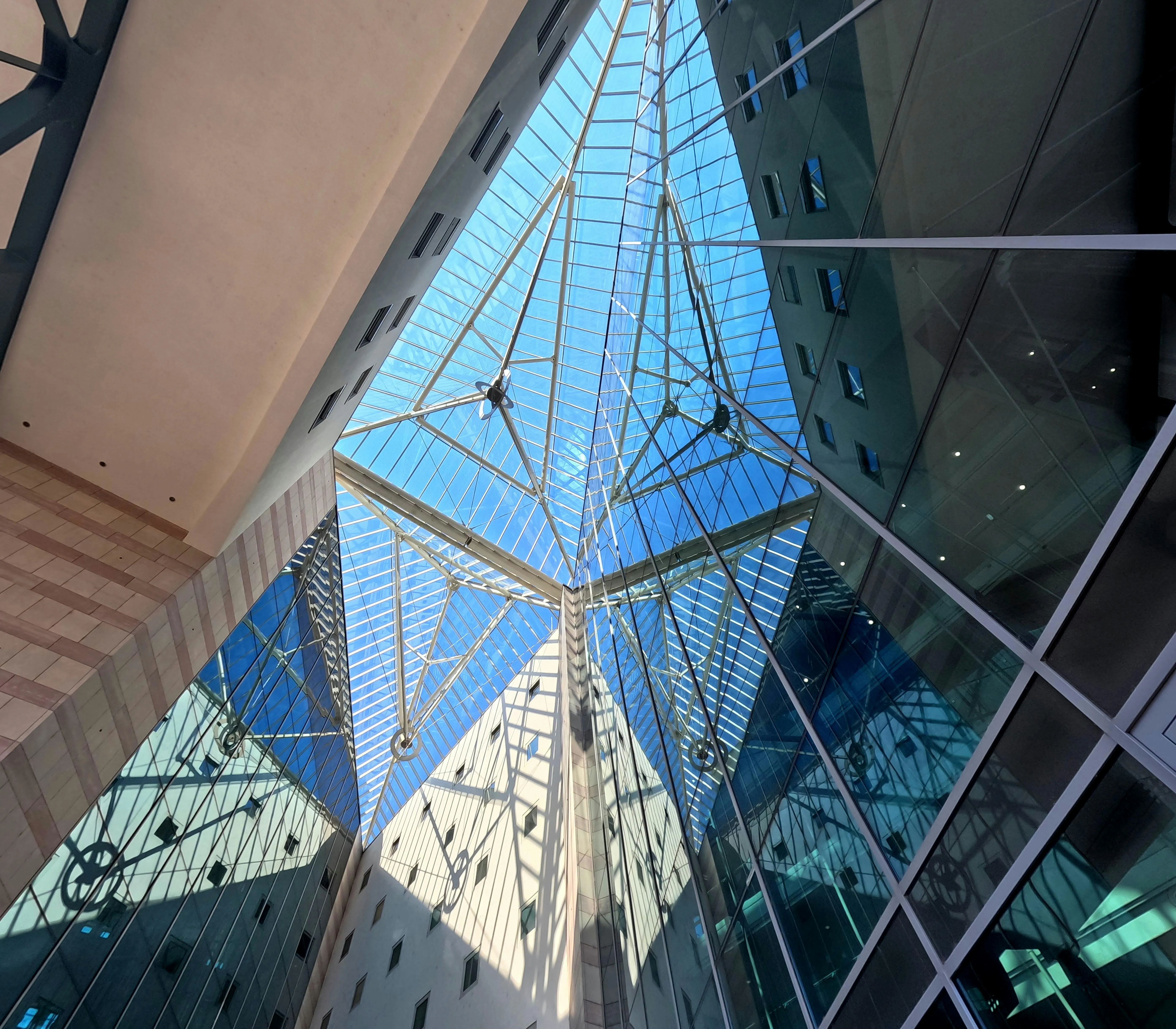
Residential design should improve both physical and emotional well-being.
Key Points:
• Increase natural ventilation
• Incorporate calming materials and textures
• Improve indoor lighting quality
3. TECHNOLOGY IN MODERN HOMES
Smart technologies continue to reshape how homeowners interact with their spaces.
Key Points:
• Integrate smart home systems
• Improve energy management
• Enhance security and convenience
4. SUSTAINABLE HOME DESIGN
Sustainable architecture supports healthier living and environmental responsibility.
Why It Matters:
• Reduces environmental impact
• Improves energy efficiency
• Creates long-term value for homeowners
5. BUILDING HOMES THAT ADAPT OVER TIME
Future-focused homes remain practical as family needs evolve.
Look For:
• Flexible interior layouts
• Durable construction materials
• Timeless architectural design
Share this article: